
________________________________________________________________________________________________________________
Overview
Space management is often treated as an inventory function, a way to document square footage, seat counts, and floor plans. Documentation alone, however, does not support decision-making. As organizations become more dynamic and leadership questions more conditional, static inventory models begin to show their limits and many organizations are rethinking how space management software and systems can support more dynamic, data-driven decision-making.
This article examines the structural difference between managing space as an inventory and managing it as a system. It outlines how defined workflows, accountable ownership, and integrated data create the conditions for reliable utilization insight, operational continuity, and confident decision-making.
When space is managed as a system, it stops being a passive snapshot and becomes an active mechanism for cost control, flexibility, and strategic alignment. The distinction is not technical. It is operational, and it directly influences how effectively organizations can plan, adapt, and act.
________________________________________________________________________________________________________________
Every leadership decision assumes one thing: the data behind it is reliable. Yet, when it comes to space, many organizations are still relying on static spreadsheets, outdated floor plans, and manual reconciliation to answer critical questions about capacity, growth, and cost. At the exact moment decisions about hiring, consolidating offices, or committing to new leases need to be made; the gaps in this data become obvious and expensive. Managing space as a system means putting the processes, ownership, and connected data in place, so space information stays accurate as the business changes.
When Inventory Based Models Reach Their Limits
Inventory-based space management is designed to answer static questions, how much space exists, how many seats are assigned, what does a specific floor look like today. That kind of documentation provides visibility, but it does not give leaders the confidence to act. In evolving organizations, relying on spreadsheets and floor plans alone creates blind spots. Data falls out of sync, occupancy patterns shift, and critical decisions about hiring, consolidation, or real estate commitments are made with uncertainty. The result isn’t just operational friction; it’s a financial and strategic risk.
Unlike static inventory, a system approach ensures workplace and space data evolves as the business evolves, enabling leadership to answer complex questions and make decisions with certainty. This is exactly why organizations that manage space as a system combine defined processes, have clear ownership, and connected, automated data, often enabled through modern space management software this is what turns visibility into reliability to make confident, strategic decisions.
Leaders no longer have time ask what exists to support their decisions. They’re asking, can I confidently make this decision NOW without costly risks or delay. An inventory model can show current occupancy, but corporate real estate, facilities, and executive leaders need to understand whether growth can be absorbed within the existing footprint, where underutilized space is creating unnecessary expense, and whether new real estate commitments can be delayed or avoided altogether. These forward-looking, conditional questions require confidence that space data reflects reality as it evolves, not just a snapshot from last quarter.
The Hidden Financial and Operational Cost of Static Inventory
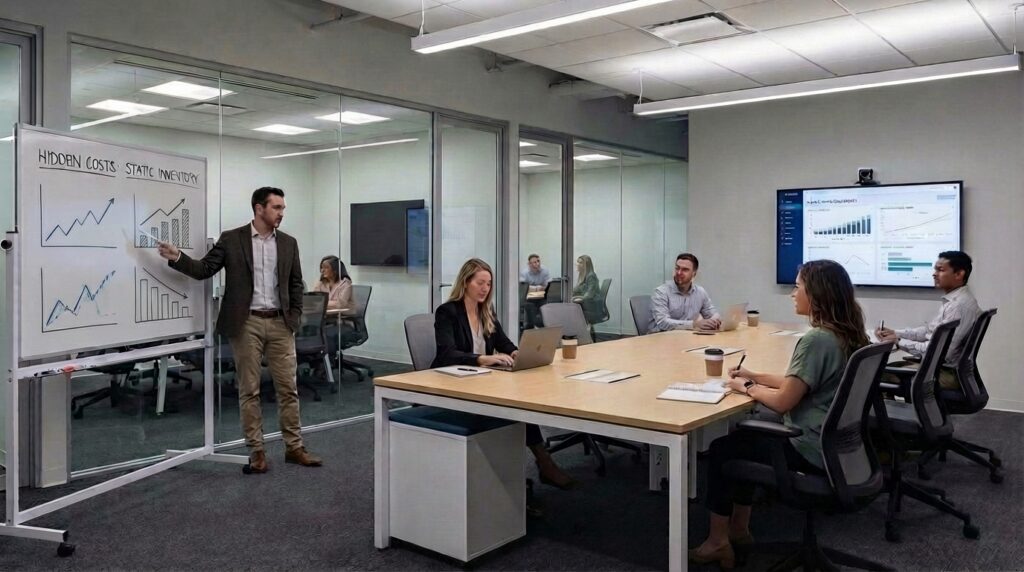
Many organizations underestimate how quickly static or incomplete inventory falls short. What may appear to be minor discrepancies in seat counts or floor plans can quickly cascade into delayed decisions, unnecessary real estate spending, or missed opportunities to consolidate or reconfigure space. At scale, these gaps are more than inconvenient; they can cost millions in avoidable real estate expenses and limit an organization’s ability to respond effectively to growth or workforce change.
The cost often remains hidden until decisions are delayed or misinformed. Without reliable, current space data, organizations frequently default to conservative choices. They may lease additional space before fully understanding existing capacity or continue carrying underutilized square footage simply because the information needed to act confidently is unclear.
Operational decisions are affected as well. For example, organizations may delay workforce reorganizations or internal moves because space information is not reliable enough to support confident planning.
Over time, the impact compounds. The risk is not purely financial; it is operational. Decisions based on unreliable data slow response times, create friction across HR, IT, and real estate teams, and erode confidence in the organization’s ability to plan effectively. Leaders begin to question even routine reports, asking for repeated validation, which diverts attention from strategic initiatives to basic reconciliation work.
What It Means to Manage Space as a System
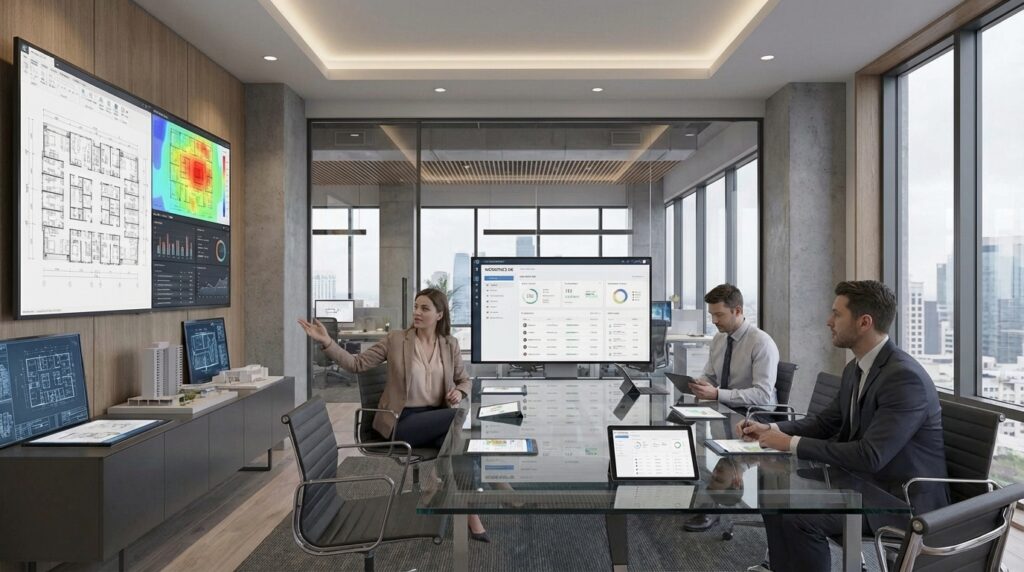
This is where managing space as a system becomes critical. Systems combine process, ownership, and technology to maintain continuous accuracy across the organization:
- Defined processes ensure moves, reorganizations, and portfolio changes are captured consistently as part of the workflow, not retroactively.
- Clear ownership assigns accountability for maintaining data and resolving discrepancies, creating trust in every report.
- Integrations and automation connect HR, IT, security and facilities systems, reducing manual reconciliation and keeping occupancy, seating, and asset data synchronized in real time.
A system doesn’t just keep data clean; it transforms space into a strategic asset. Leadership questions that previously slowed decisions, such as, “Where can we absorb new hires? What space can be repurposed? Should we lease more or consolidate?” can now be answered quickly and confidently.

From Recordkeeping to Strategic Leverage
Inventory models reach their limit when leadership questions require action, not just visibility. Managing space as a system, through defined processes, accountable ownership, and integrated, automated data across functions, ensures the organization can answer leadership questions confidently and act decisively. With the right space management software solution in place and a holistic approach, space stops being a passive record and becomes an active strategic lever, allowing organizations to optimize cost, increase flexibility, and align real estate investments directly with business priorities.
Explore How Space Management Software Can Turn Space Data into Confident, Real-Time Decisions.
For media inquiries, email info@apex42group.com.