Investment firms scrutinize performance and your workplace should be no exception.
Changes in fundraising, assets under management, investment strategy, and cost priorities can reshape hiring plans and workplace requirements across an investment firm. New teams may form, existing teams may restructure, and demand can shift between offices, often within some of the firm’s highest-cost markets. When floor plans, headcounts, seating assignments, occupancy, and cost-center information do not align, workplace leaders cannot confidently assess capacity, explain performance, or allocate real estate costs through chargebacks. Apex42 connects this information so firms can understand what each office supports, where costs belong, and how the workplace should respond as the business changes.
Workplace Numbers Should Hold Up Under Scrutiny
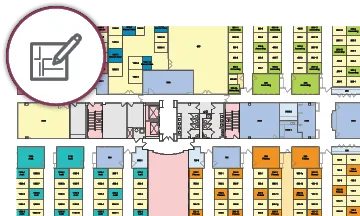
- Connect floor plans, employee data, investment teams, seating assignments, occupancy, and cost-center information
- Reconcile conflicting records before they influence reporting, chargebacks, or major workplace decisions
- Give workplace leaders a defensible view of what each office has, how it is allocated, and how it is performing
Business Growth Does Not Arrive One Seat at a Time
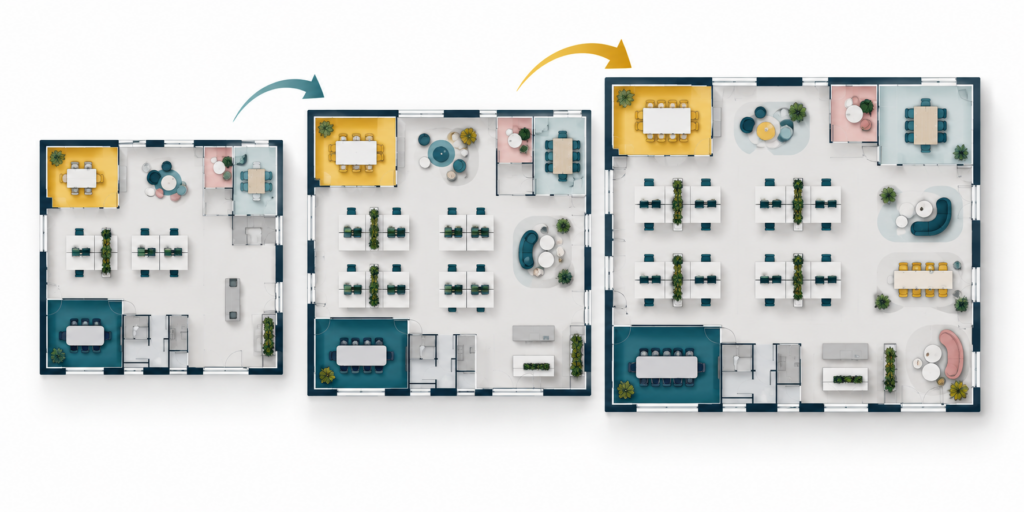
- Translate changes in fundraising, assets under management, investment strategies, and hiring plans into workplace scenarios
- Determine whether new or expanding teams can fit within existing offices
- Model team shifts, restructures, growth, and contraction before seating, cost allocations, or space commitments change
Chargebacks Are Only as Credible as the Data Behind Them
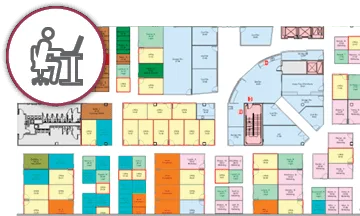
- Connect employees, teams, cost centers, seating assignments, and occupied space to support more reliable workplace cost allocations
- Establish consistent methods for allocating private, shared, and support space across the organization
- Keep chargeback information current as teams move, restructure, grow, or contract
Hear the story: See how a banking and financial services company upgraded its legacy CAFM system
Your firm wouldn’t invest without a clear view of performance. Why treat its workplace differently?
Apex42 connects floor plans, people, teams, occupancy, utilization, cost centers, and lease information in one reliable view. Combined with Apex42’s floor plan, data, and workplace advisory expertise, investment firms can support defensible chargebacks, evaluate future scenarios, uncover capacity and cost, and make real estate decisions with the level of clarity expected everywhere else in the business. Know what your workplace supports, what it costs, and what it should do next.